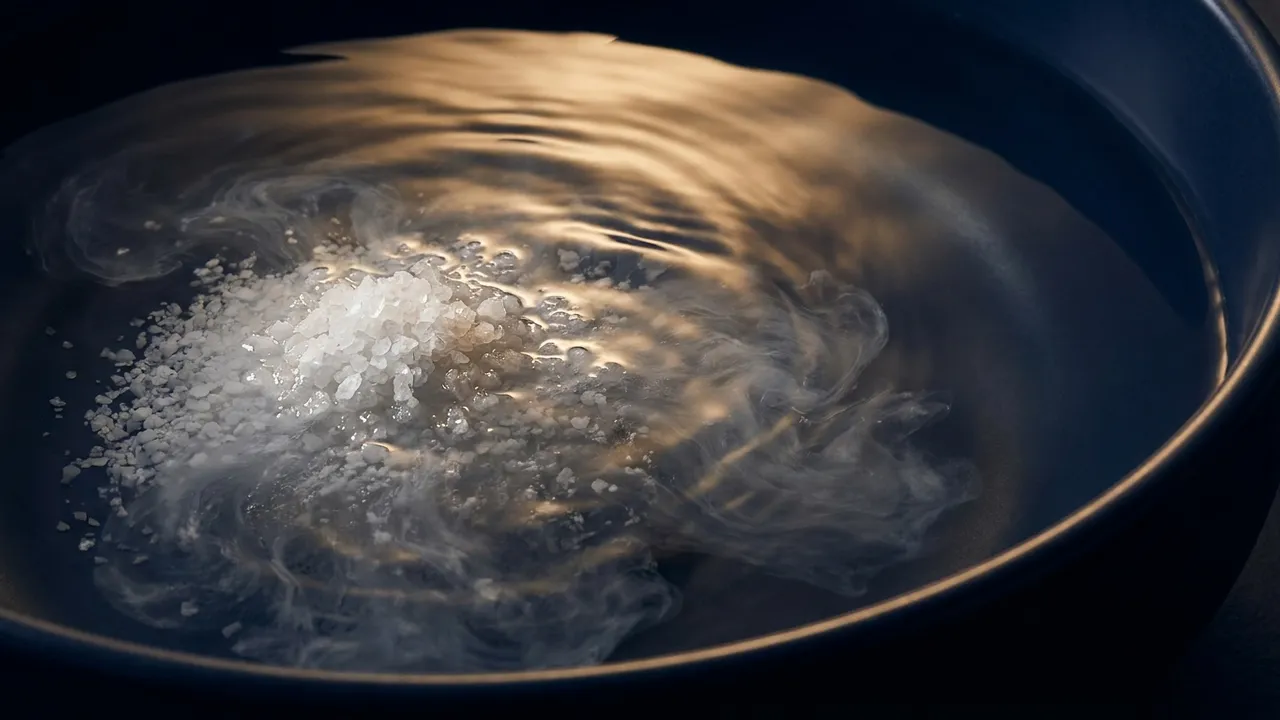
Magnesium is involved in more than 300 enzymatic processes in the human body: muscle function, nerve signalling, energy production, sleep regulation. It is also one of the minerals modern diets most reliably fail to supply. Surveys consistently suggest that a large share of Australian adults do not meet their recommended magnesium intake.
Which raises the question this article answers honestly: can soaking in magnesium-rich water actually help, and if so, how do you do it properly?
Can Skin Really Absorb Magnesium?
The straightforward answer is that it isn't settled. A few small studies have reported higher magnesium levels after regular Epsom salt baths, and hair follicles may offer a way in. But a 2017 review in Nutrients went through the evidence and concluded that transdermal magnesium isn't scientifically supported yet. Keeping things out is what the skin barrier is for.
The warm bath itself is on firmer ground. In a 2018 Japanese trial, adults who took a 10 minute, 40°C bath every day for two weeks rated their fatigue, stress and general health better than when they only showered. That comes from the warm water, whatever the magnesium is or isn't doing. Japan has built a whole culture around the same idea, from the daily home bath to onsen hot springs.
Enjoy a magnesium bath for the warm soak, which has decent research behind it. Don't count on it to top up your magnesium. If you're worried about your levels, that's a conversation with your GP about diet, not a job for the bathtub.
What a Magnesium Soak Does
After a Workout
Warm water increases blood flow near the skin, and buoyancy takes the weight off tired legs and back. Epsom baths have been a post-training habit for decades, mostly because a warm soak feels good when you're stiff. Our guide to baths for sore muscles covers timing, and how a warm soak compares with an ice bath.
Winding Down
A warm bath is one of the easiest ways to put a line under the day. In the 2018 trial above, people felt less stressed after two weeks of daily baths than after two weeks of showers. Twenty quiet minutes without a phone probably deserves some of the credit.
Sleep
The best-studied link between baths and sleep is temperature, not magnesium. A warm bath an hour or two before bed warms you up, and the drop in body temperature afterwards fits with your body's normal wind-down towards sleep. We cover the timing in our guide to the pre-sleep bath.
Skin
In a 2005 study, people with very dry skin soaked one forearm in a magnesium-rich Dead Sea salt solution and the other in tap water, 15 minutes a day for six weeks. The salt-soaked arm ended up better hydrated and less rough. The solution was 5% salt, far stronger than a normal bath, so treat it as a hint rather than a promise. If dry skin is why you are bathing, how you bathe matters as much as what you add.
Epsom Salt vs Magnesium Chloride
- Epsom salt (magnesium sulphate): inexpensive, dissolves fast, the form most research has used. The usual choice for a post-workout soak.
- Magnesium chloride (flakes): draws in moisture from the air, so it clumps if left open. Costs more, which is why cheap blends skip it.
- Either works. How much you use, and whether the bag is padded out with cheaper salt, matters more than which one it is. Our Australian buying guide explains how to read a label and spot padding.
How to Run a Proper Magnesium Bath
- Dose generously. Two to three generous scoops of a magnesium-rich blend for a standard tub. Under-dosing is the most common mistake.
- 38 to 40 degrees. Warm enough to relax into, not so hot that it strains your heart.
- Fifteen to twenty minutes. Long enough to warm right through without drying your skin out.
- Make it regular. The bathing research used regular soaks, not one-off sessions. More on how often to take a salt bath.
- Rinse briefly, rest after. Pat dry, moisturise, and give yourself ten minutes before going back to screens.
"Soak for the warmth and the quiet. Anything the magnesium adds is a bonus."
Who Should Be Careful
Magnesium baths are safe for most adults. If you have kidney disease, cardiovascular problems or very low blood pressure, or you are pregnant, talk to a healthcare professional first and keep water temperatures moderate. Baths are not a substitute for medical treatment of a diagnosed deficiency.
For everyone else, the prescription is pleasant: warm water, real minerals, twenty unhurried minutes. Miyomi's Yuzu & Green Tea blend was built around exactly that: magnesium salts in onsen proportions, with the botanicals doing the rest. Join the waitlist to be first when it launches.